ServicesWindow Replacement
Window Replacement in Fort Worth
Older windows rarely fail for just one reason. We look at the sash, the frame, the sill and whatever earlier owners did to them, then install new windows sized to the real opening and sealed against heat and drafts.
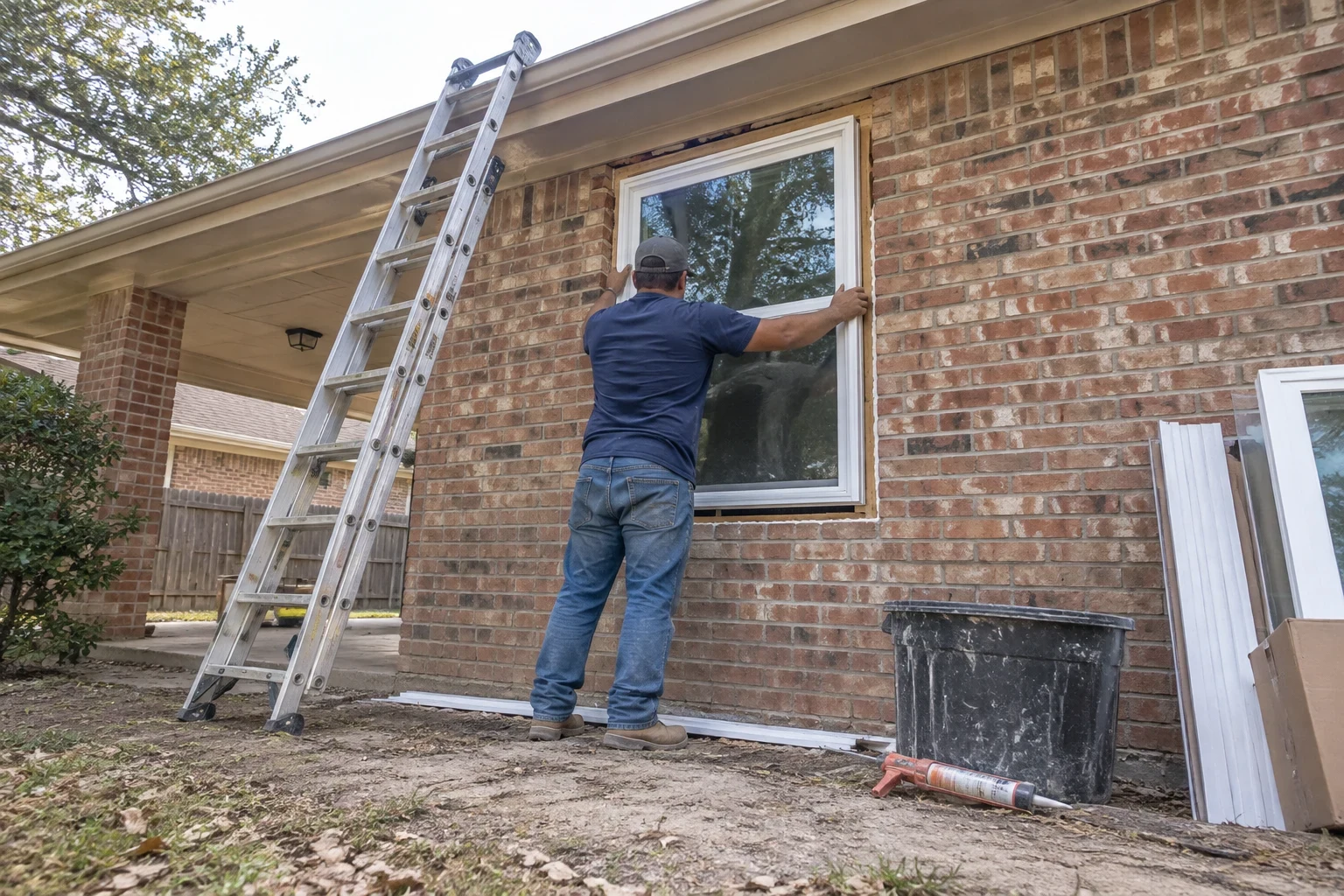
Replacement Windows Fitted to the House You Actually Have
Window replacement means removing worn sashes or whole frames and installing new units that seal, open and lock the way they should. In a newer house that can be simple. In an older one, the opening is often out of square, the sill may be soft under old paint, and the weight pockets beside a wood double-hung are usually empty air leaking straight into the wall.
Our team has over 10 years of experience with these openings, and we are AAMA certified. In practice that means we measure each window on its own rather than assuming a standard size, and we tell you what we find behind the trim before anything is ordered.
Most homes we see around Fort Worth and towns like Benbrook and North Richland Hills have one of three originals: wood double-hungs with rope and pulley balances, single-pane aluminum sliders from the 1960s and 70s, or early double-pane units whose seals have failed. Each needs a different approach, and we explain which one fits your home.
What You Get With the Job
Measuring each opening
We take width and height in three places at every opening and check both diagonals. Older openings often vary a quarter inch or more from top to bottom, so the new window is sized to the smallest number.
Checking sills and frames
We probe sills and the lower ends of the jambs, where rot usually begins after paint cracks and water sits for years. Anything we find comes with photos and a plan for repairing it.
Insert or full-frame install
An insert goes inside a sound frame and your interior trim stays where it is. A full-frame install strips the old window back to the framing, which we suggest when the frame is rotted or far out of square.
Filling empty weight pockets
On wood double-hungs we remove the cast-iron sash weights and fill the empty pockets with low-expansion foam or insulation. Those hollow spaces are some of the worst air leaks in an older home.
Glass picked for Texas sun
We explain Low-E coatings and insulated glass so rooms facing west and south stay cooler in summer, and the windows still look clear from outside.
Sealing, flashing and cleanup
Each window is shimmed level, flashed at the sill, insulated around the edges and sealed on the outside. The old windows leave in our truck, and we vacuum every room we worked in before we go.
Signs Your Windows Are Due for Replacement
Fog inside the glass
A cloudy film or beads of moisture sealed inside an insulated unit mean the edge seal has failed. The gas fill that slowed heat transfer has escaped, and cleaning either side of the glass will not fix it.
Sashes painted shut or dropping
A wood sash that will not budge, or one that slides down because its cord broke, points to a worn-out balance system. A window that cannot open also cannot work as an escape route in a fire.
Soft wood at the sill
When a screwdriver tip sinks into the sill or paint blisters at the corners, water has been finding its way in. Ignored, that rot moves down into the framing under the window.
Sweating aluminum frames
Old aluminum passes heat and cold straight through, so the frames drip condensation on cool mornings and turn hot to the touch in July.
Drafts and gaps after past repairs
Stacked beads of caulk, foam strips or tape are evidence of years of patching. Those fixes stop holding once the parts beneath them have worn out.
The Steps of a Window Replacement
- 1
Free in-person consultation
We visit your home, check each window from inside and outside, and take measurements. We talk through styles, frames and glass, and you receive an itemized quote showing the price of every opening.
- 2
Ordering custom units
Each window is made to our measurements, so we take them with care. Before ordering, we confirm color, grids and hardware with you.
- 3
Install day
We protect the floors and furniture by each opening and take out one window at a time, so no room is left open long. In houses built before 1978 we treat old paint as possibly containing lead and control dust with plastic sheeting and HEPA vacuums.
- 4
Final check and walkthrough
We go through each new window with you, opening, closing and locking it, confirm the sashes move freely and the seals fit snug, and show you how to tilt the sashes in to clean them.
What Moves the Price of Replacement Windows
Your price comes from the actual openings in your home, so two houses with the same window count can be quoted differently. A lot of that gap sits behind the old frames. Two offers make budgeting easier: $0 Down on the whole project and 0% Financing options. We explain both when we visit your home for the consultation.
- Count, size and shape
- Plain rectangles are less expensive than arched tops, large picture windows or oversized units. Upstairs openings that call for tall ladders or staging also add labor.
- Insert versus full-frame
- An insert goes in faster and keeps your current trim. Full-frame runs higher because it adds new casing inside and out plus more finish work.
- Rot and past patch jobs
- Soft sills, doubled studs or earlier patches have to come out and be rebuilt so the new window sits level. We price that opening by opening and show you photos.
- Frame material and glass
- Vinyl, fiberglass and composite frames vary in cost and in how they stand up to heat. Low-E coatings, laminated glass and grids all change the total.
Window Replacement Questions
Something not covered here? (817) 286-6625
Do I need insert or full-frame replacement?
That comes down to the frame you have today. A solid, square, dry frame can take an insert, which gives you new glass and sashes while your trim stays put. A rotted or racked frame needs full-frame replacement to last, and we show you the evidence during the consultation.
How long does installation take?
Once we are on site, most windows take one to two hours apiece, so a typical house wraps up in a day or two. Full-frame work and rot repair stretch that, and you get the schedule before the order is placed.
Can I keep my original interior trim?
In many cases, yes. Insert installations usually leave the interior casing where it is. Full-frame jobs take it off, and we put back new trim matched as closely as we can to your existing profile.
My house is old and may have lead paint. Is that a problem?
It is not a problem, but it does change our setup. We hang plastic containment, mist surfaces so dust stays down, clean with HEPA vacuums and take the debris out of your home with us.
Can I split the project into phases?
Yes. Plenty of people replace the worst windows first, like hot west-facing rooms or openings with soft sills, and finish the rest in a later round. We keep the style, color and grids consistent so the house still looks uniform when it is done.
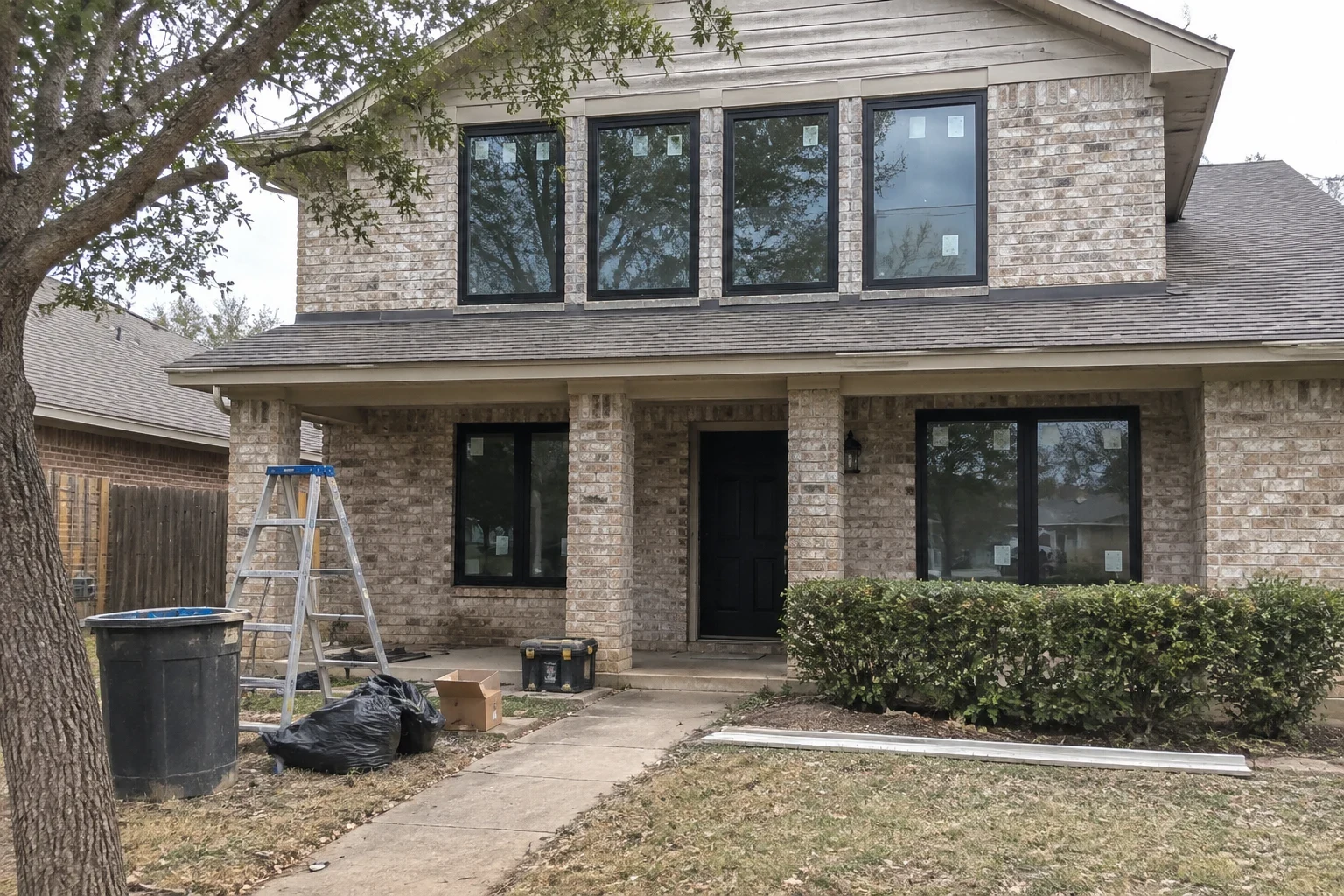
See What Your Windows Really Need
We measure every opening, probe the sills and frames, and hand you a written quote you can read line by line. Have a tired front door or a sticking slider too? Mention it on the call and we will add your entry doors or patio doors to the same appointment.